K-pop’s April 2026 Comeback Rush Shows Just How Competitive the Industry Has Become
April 2026 is shaping up to be one of the most crowded and strategically important months in recent K-pop memory. With major label acts, fast-rising rookies, virtual idols, and solo artists all preparing releases within a tight window, the month is starting to look less like a routine comeback cycle and more like a full-scale market collision.
What makes this especially interesting is not only the number of artists returning, but the different types of pressure surrounding them. Some groups are trying to protect momentum after viral success, others are attempting to prove long-term staying power, and a few are entering comeback cycles that could redefine where they stand in the industry. In that sense, April is not just busy—it is revealing.

Hybe’s stacked April schedule creates rare intralabel competition
One of the biggest storylines this month is the unusually dense comeback calendar among Hybe-affiliated acts. Rather than spacing releases more comfortably across the quarter, the label ecosystem appears to be entering April with multiple projects positioned close together, creating a rare situation where artists under the same broader company structure may end up competing for attention at the same time.
Tomorrow X Together is set to open the month for Hybe with its new EP “7th Year: A Moment of Stillness in the Thorns” on April 13, followed by Le Sserafim, which is returning after a six-month gap. Meanwhile, TWS is expected to continue building its strong rookie momentum with “No Tragedy” on April 27, while Illit will close out the month with “Mamihlapinatapai” on April 30. Rookie act Cortis is also entering the conversation with its lead track “RedRed” ahead of a larger release in early May.
This kind of internal overlap is unusual enough to be notable. Normally, large agencies try to reduce direct attention conflicts between their own artists. But this schedule suggests either a high level of confidence or a calculated decision that the broader K-pop market is active enough to absorb multiple overlapping campaigns.

JYP, SM, and smaller agencies are also adding pressure to the market
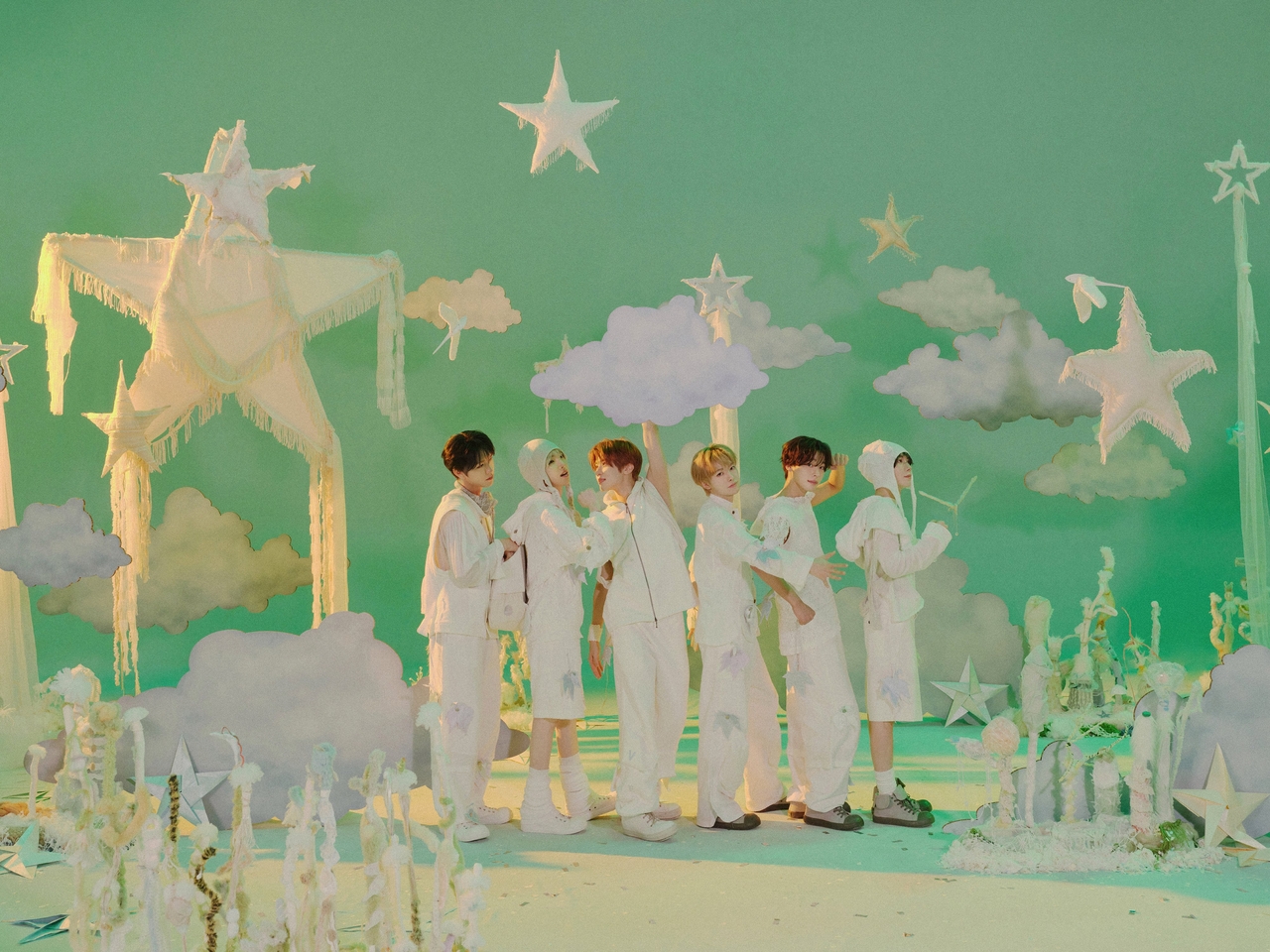
The April rush is not limited to Hybe. JYP Entertainment is adding to the competitive field with rookie group KickFlip and band Xdinary Heroes, while SM Entertainment is pushing forward with NCT Wish and its first full-length album. These are not low-stakes releases either. For many of these artists, April is an opportunity to either confirm market relevance or accelerate the next stage of growth.
At the same time, artists from smaller and mid-sized agencies are also entering the same release window. Kiss of Life, Plave, and Close Your Eyes are all part of the expanding lineup, which makes the month feel even more saturated. In some ways, this reflects a broader shift in K-pop: even smaller labels are increasingly forced to compete in the same attention economy as top-tier agency artists, because social media cycles and streaming algorithms now reward visibility more than scheduling politeness.

Solo artists make April even more crowded
Adding another layer to the month’s competition is the return of several solo artists, including names that already carry strong recognition value. T.O.P is set to return with his first solo full-length album in over a decade, which naturally brings both nostalgia and curiosity into the release cycle. Park Ji-hoon, who has continued to build both idol and acting visibility, is also preparing a solo release later in the month.
These solo projects matter because they compete differently from group comebacks. While idol groups often rely on fandom scale and synchronized promotion, solo artists can attract attention through personal narrative, media buzz, or cross-industry recognition. That makes the April chart environment even more unpredictable, especially when so many releases are chasing both fan engagement and casual listener attention at the same time.
Why BTS’ comeback may have reshaped the April release strategy
One of the clearest industry-level explanations for this crowded calendar is timing around BTS. Following the group’s recent full-group comeback, many agencies appear to have strategically moved into April rather than attempting to compete directly in late March. In practical terms, that makes sense. A BTS comeback tends to dominate media cycles, streaming attention, and public conversation in a way that few other artists can realistically offset.
So rather than confronting that head-on, the market appears to have shifted slightly outward—creating a highly compressed April instead. The result is a kind of release bottleneck, where multiple artists now face the challenge of standing out in a month that is overloaded with high-profile competition.

Will the packed April schedule help or hurt K-pop?
There are two ways to read this kind of comeback congestion. On one hand, it can absolutely dilute performance. When too many artists release music within the same narrow period, chart peaks become harder to secure, media coverage gets fragmented, and even strong songs can struggle to stay in focus long enough to build momentum.
On the other hand, there is a strong argument that this kind of density can benefit the industry overall. A crowded release month increases attention on K-pop as a whole, encourages stronger creative execution, and pushes artists to be sharper in both concept and performance. In a highly visible month like April, average material is easier to ignore—but standout work can travel even further.
Personally, this is what makes April 2026 so compelling. It is not just a month of releases—it is a stress test for K-pop’s current structure. It will show which groups truly have staying power, which rookies can convert buzz into long-term traction, and which agencies are best at navigating an increasingly crowded global music market.
In other words, April is not only about who comes back. It is about who actually moves forward.
※ Reference/Source : https://www.koreaherald.com/article/10706906
댓글