BTS ‘2.0’ Music Video Teaser Sparks Buzz With a Bold ‘Oldboy’ Nod — What the Park Chan-wook Reference Signals
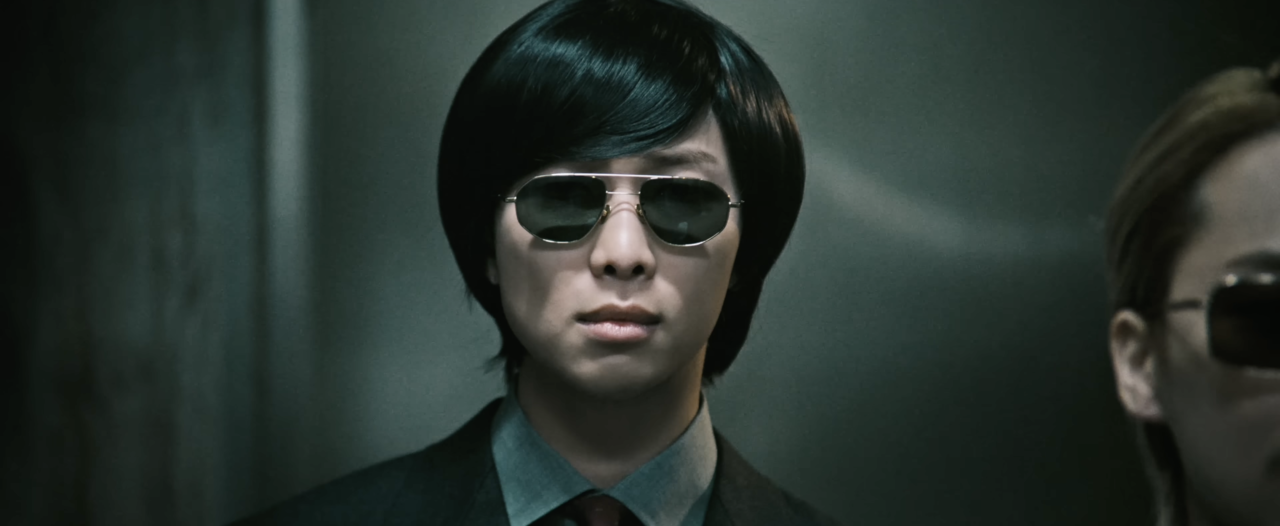
BTS teases ‘2.0’ music video with nod to Park Chan-wook’s ‘Oldboy’
BTS has ignited fresh anticipation after unveiling a music video teaser for “2.0,” a track from the group’s fifth LP, “Arirang.” Released Wednesday, the teaser delivers a short but highly stylized preview that directly evokes director Park Chan-wook’s 2003 film “Oldboy,” instantly triggering fan discussion around the concept, symbolism and cinematic ambition behind the comeback.
Rather than relying on a typical performance-heavy preview, the teaser leans into atmosphere: a worn-down corridor, an elevator, and a tense lineup of intimidating figures. The moment the elevator doors open on the second floor, BTS members appear in sharp, clean-cut suits—an intentional contrast that reads like a visual “collision” between refinement and menace, and sets up a narrative question the full video is expected to answer.
BTS ‘2.0’ music video teaser: why the ‘Oldboy’ homage matters
The decision to reference “Oldboy” is not a casual aesthetic choice. Park Chan-wook’s film is globally recognized for its intense psychological tone, stylized violence, claustrophobic settings and moral ambiguity—especially the iconic corridor imagery that has become shorthand for confrontation and endurance. By borrowing that visual language, BTS signals that “2.0” may be built around higher-stakes storytelling rather than a straightforward pop-video format.
In K-pop, cinematic homages often function as a “concept shortcut,” letting viewers immediately understand a mood—revenge, survival, identity, reckoning—without lengthy exposition. The teaser’s grim hallway and elevator framing can be read as a controlled, suspense-driven setup: a moment of calm before escalation. That choice heightens replay value and speculation, two crucial drivers in music video performance and social engagement.
Park Chan-wook ‘Oldboy’ reference and BTS comeback strategy for “Arirang” era
Pairing a major idol release with a landmark Korean film reference also works as a broader cultural signal. “Oldboy” is part of the modern Korean cinema canon, and referencing it positions BTS not only as chart competitors but as pop auteurs aligning themselves with Korea’s globally influential screen culture. For international viewers, the reference provides a recognizable entry point; for domestic audiences, it can read as a purposeful nod to Korean creative legacy.
Linking “2.0” to the fifth LP “Arirang” further amplifies that “K-cultural” framing. Even without full details revealed in the teaser, the juxtaposition of a traditional-title album identity with a modern, gritty film homage suggests a concept that may explore contrasts—heritage versus reinvention, polish versus struggle, surface order versus inner conflict. That kind of framing tends to extend an era beyond a single title track and into a cohesive narrative package across visual content, lyrics and performances.
What fans can infer from the corridor-and-elevator scene in BTS ‘2.0’ teaser
The teaser’s staging is designed to communicate tension at a glance. The narrow hallway packed with rough-looking figures creates immediate pressure, while the elevator acts as a dramatic portal—an entry into conflict. BTS stepping out in matching suits reads like a deliberate power move: unified, composed, and ready to confront whatever the corridor represents.
Even in a brief preview, contrast is doing the heavy lifting. The worn-down setting implies danger, decay or confinement; the suits imply control, status or strategic intent. That visual mismatch is a classic way to build anticipation, because it promises a story: Why are they there, who are these figures, and what happens next? In practical terms, it’s also a smart teaser tactic—revealing just enough to spark theories while holding back the key payoff for the full music video release.
As the full “2.0” video arrives, attention will likely focus on how far BTS takes the cinematic inspiration: whether it remains a stylistic nod, expands into a broader narrative, or becomes a thematic device tied to the album’s “Arirang” identity. For now, the teaser has achieved its immediate goal—turning a few seconds of imagery into a conversation that spreads well beyond the fandom.
※ Reference/Source : https://www.koreaherald.com/article/10707718
댓글