Seoul Installs 900 Toilets Near Gwanghwamun Ahead of BTS Comeback Concert: What the Crowd Plan Reveals
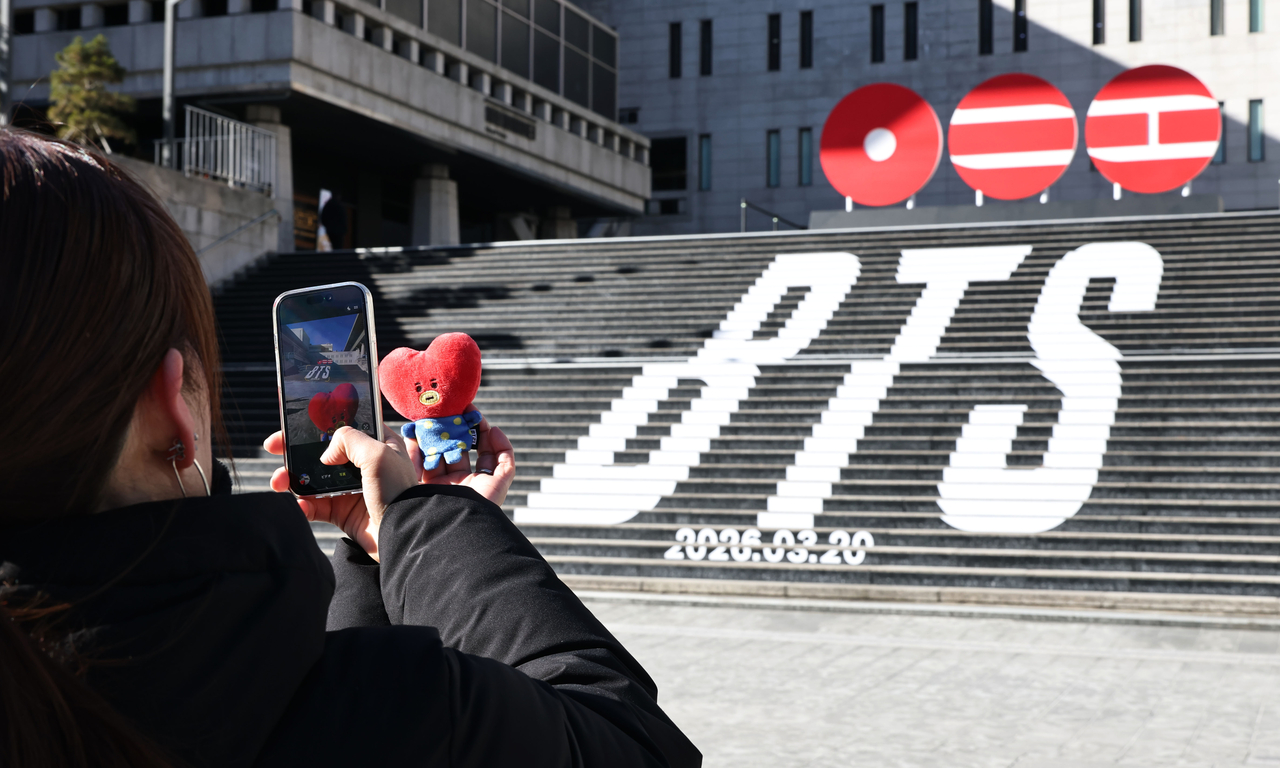
Seoul Installs 900 Toilets Near Gwanghwamun Ahead of Major K-Pop Concert Event
Seoul is moving early to prevent one of the most predictable problems of any mega-event: long restroom lines. Ahead of a large K-pop concert event expected on March 21, the Seoul Metropolitan Government announced it will install nearly 900 public and temporary toilets around Gwanghwamun Square. Authorities expect more than 260,000 visitors to gather in the surrounding central Seoul area, prompting the city to treat the event not just as entertainment but as a high-density public safety operation requiring infrastructure, staffing, and real-time crowd management.
Beyond convenience, restroom access can quickly become a safety issue when foot traffic surges, queues block walkways, and people congregate in narrow corridors. By increasing capacity and positioning facilities in advance, Seoul is attempting to keep pedestrian flows moving and reduce frustration points that can trigger bottlenecks.
Gwanghwamun Square crowd control plan for the K-pop concert
For an event expected to bring hundreds of thousands into central Seoul, authorities are preparing for pressure points around major routes leading to and from Gwanghwamun Square. The city said it will deploy crowd control staff at key bottlenecks, aiming to prevent the stop-and-go compression that can occur when multiple streams of visitors converge on the same narrow access points.
This approach reflects a shift from simply hosting a concert to operating an integrated crowd management system. Sanitation capacity, staffing, and flow control must work together. Large queues for toilets often spill into walking lanes; likewise, sudden surges after key moments can overwhelm intersections and transit-adjacent paths. By placing staff where crowd density typically spikes, city planners aim to reduce the likelihood that bathroom lines or slow-moving groups will cascade into broader congestion.
Women-only facilities and public toilet logistics as event safety infrastructure
A notable element of Seoul’s plan is securing additional women-only facilities. The city cited the expected audience profile, with female ticket holders reportedly outnumbering male ticket holders by a significant margin. In practical terms, this is a demand-forecasting decision: restroom needs are not evenly distributed, and underestimating female capacity is one of the fastest ways to create long waits and crowd clustering.
Adding women-only toilets is more than an equity gesture—it is operational risk management. Reducing queue time lowers crowd density around restroom zones, keeps circulation routes clearer, and improves the overall event experience. In mega-events, sanitation planning serves a similar function to transport planning: it stabilizes movement patterns and prevents minor discomfort from turning into major crowd-control challenges.
Seoul’s temporary toilets strategy and what it means for K-pop event planning
The decision to install nearly 900 toilets underscores a broader trend: large K-pop events increasingly require city-level coordination and infrastructure scaling. As global fandoms travel and local attendance spikes, public agencies are treating concert zones like temporary urban districts that need extra utilities, staff, and contingency planning.
For visitors, the message is clear: preparations are being made to support a large turnout near Gwanghwamun Square, but the area will still operate under heavy load. For other cities studying major K-pop events, Seoul’s response offers a practical template—forecast demand, expand sanitation with temporary facilities, tailor capacity to audience demographics, and reinforce known choke points with trained staff to keep crowds moving safely.
Reference : https://www.koreaherald.com/article/10684334
댓글