Baby DONT Cry Returns With First EP “After Cry” and a Stronger Emotional Identity
Baby DONT Cry is moving into a more defined artistic phase with the release of its first EP, “After Cry”. As a rookie girl group under P Nation, the team has already shown a clear willingness to experiment with attitude-driven concepts, but this new release suggests a more emotionally layered direction. Rather than simply trying to sound bigger, the group appears to be trying to sound more personal.
The EP is especially drawing attention because of the creative team behind it. With names such as Ryan Jhun, Kim Eana, and Giriboy involved, “After Cry” arrives with a level of production credibility that immediately raises expectations. For a rookie group, that kind of backing can be a major advantage—but it also creates pressure to prove that the group can make the material feel like its own.
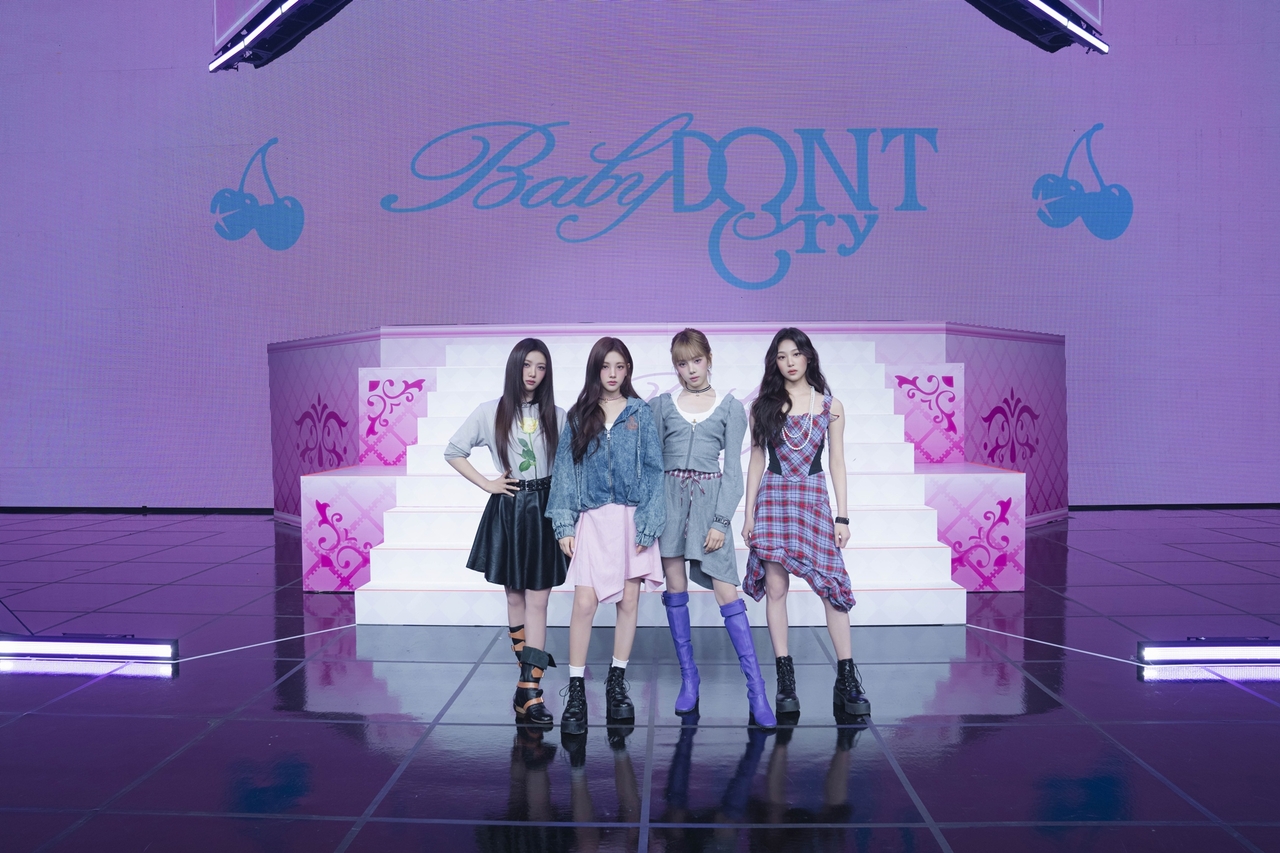
“After Cry” begins Baby DONT Cry’s emotional “tears trilogy”
The EP serves as the opening chapter of the group’s new “tears trilogy” project, and that framing already gives the release more conceptual weight than a typical rookie comeback. Instead of focusing only on heartbreak or sadness, the album explores the emotional buildup that comes before tears—the moments of confusion, growth, disappointment, and quiet resilience that shape young adulthood.
The album includes five tracks: “Bittersweet,” “Mama I’m Alright,” “Shapeshifter,” “Moves Like Ciara,” and “Tears On My Pillow.” Taken together, the titles alone suggest a project that balances vulnerability with performance energy. It is a smart move, because one of the biggest challenges for a new group is establishing a recognizable emotional tone while still staying flexible enough for mainstream appeal.
Why “Bittersweet” feels like the right lead track
The title track “Bittersweet” seems designed to do exactly what a strong lead single should do: create an emotional hook without becoming too heavy. Based on the members’ own comments, the song reflects on memories that feel both warm and painful over time. That combination is often one of the most relatable emotional spaces in pop music, especially for younger listeners navigating growth and uncertainty.
What makes the song more interesting is that it appears to frame sadness not as a dramatic breakdown, but as part of becoming stronger. That gives the group a more mature and thoughtful angle than simply leaning on “teen heartbreak” aesthetics. If Baby DONT Cry can consistently deliver that kind of emotional nuance, it could help separate them from many other rookie girl groups currently competing in a crowded market.
A high-profile production team gives the EP extra weight
One of the biggest talking points around “After Cry” is the team behind it. Kim Eana, known for writing emotionally resonant and detail-rich lyrics, and Ryan Jhun, one of K-pop’s most established producers, reportedly shaped most of the EP. Meanwhile, Giriboy and Yook Gun-hyung contributed to “Moves Like Ciara,” adding another stylistic layer to the project.
That kind of production support matters because it gives the group a stronger foundation in its early career. However, a well-produced album alone does not guarantee impact. The real challenge is whether listeners come away remembering the songs as Baby DONT Cry songs, rather than simply hearing the fingerprints of famous producers. Based on the group’s comments about focusing on emotional delivery during recording, it seems they are aware of that challenge and actively trying to build their own identity.
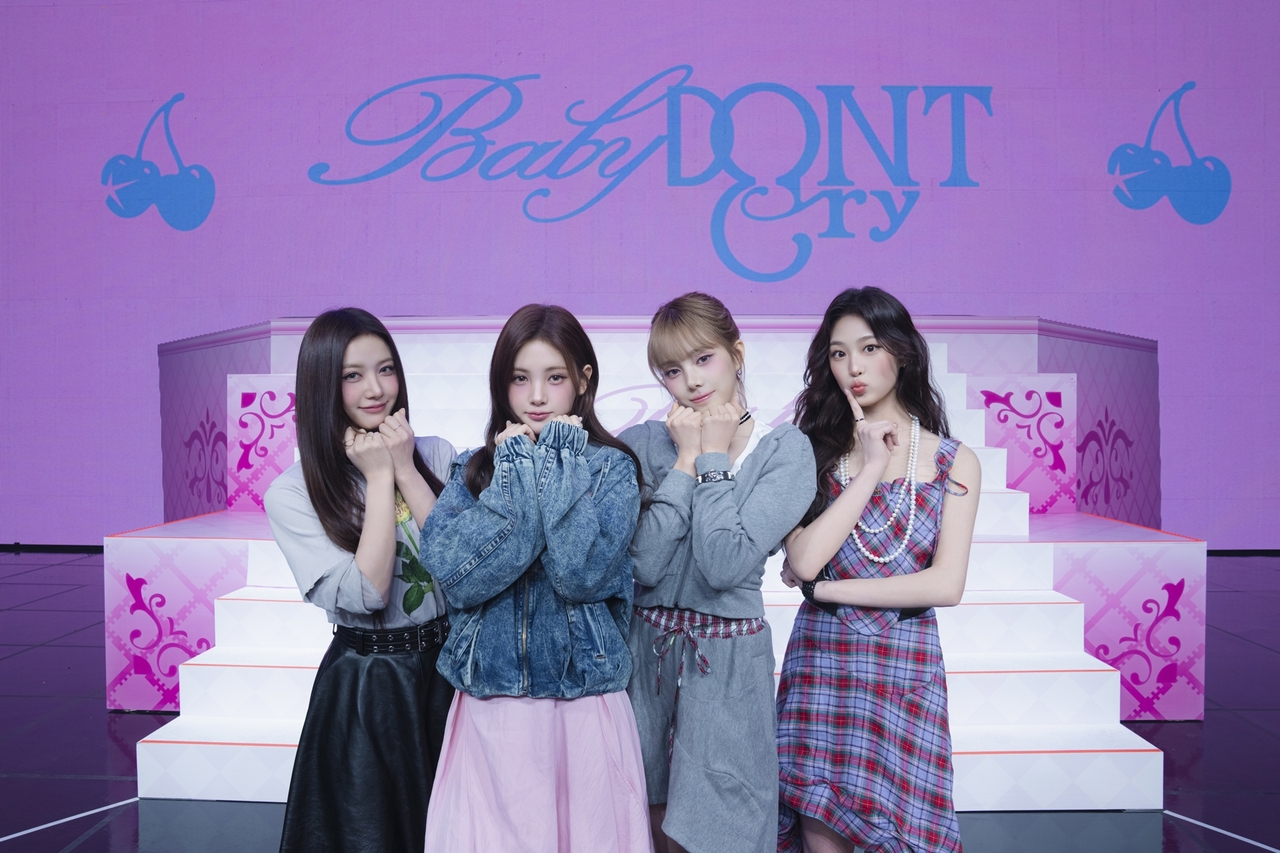
Can Baby DONT Cry turn strong production into real momentum?
From a broader industry perspective, “After Cry” feels like a strategically important release. The group debuted with a bold image and has returned relatively quickly with new music, which suggests that P Nation is trying to establish momentum before the public’s attention shifts elsewhere. In today’s K-pop environment, consistency matters just as much as impact.
Personally, this EP feels like the group’s most important release so far—not because it needs to become a massive hit immediately, but because it gives Baby DONT Cry a chance to define what kind of group it wants to be. If the members can connect emotionally with audiences while still delivering performance-driven stages, this could become the moment where they stop being seen as “Psy’s new girl group” and start being recognized on their own terms.
Whether or not they achieve their goal of winning first place on a music show this era, “After Cry” already feels like a meaningful step forward. More than just a comeback, it looks like the beginning of a clearer identity—and that may be the most important win a rookie group can earn.
Reference/Source : https://www.koreaherald.com/article/10701780
댓글